
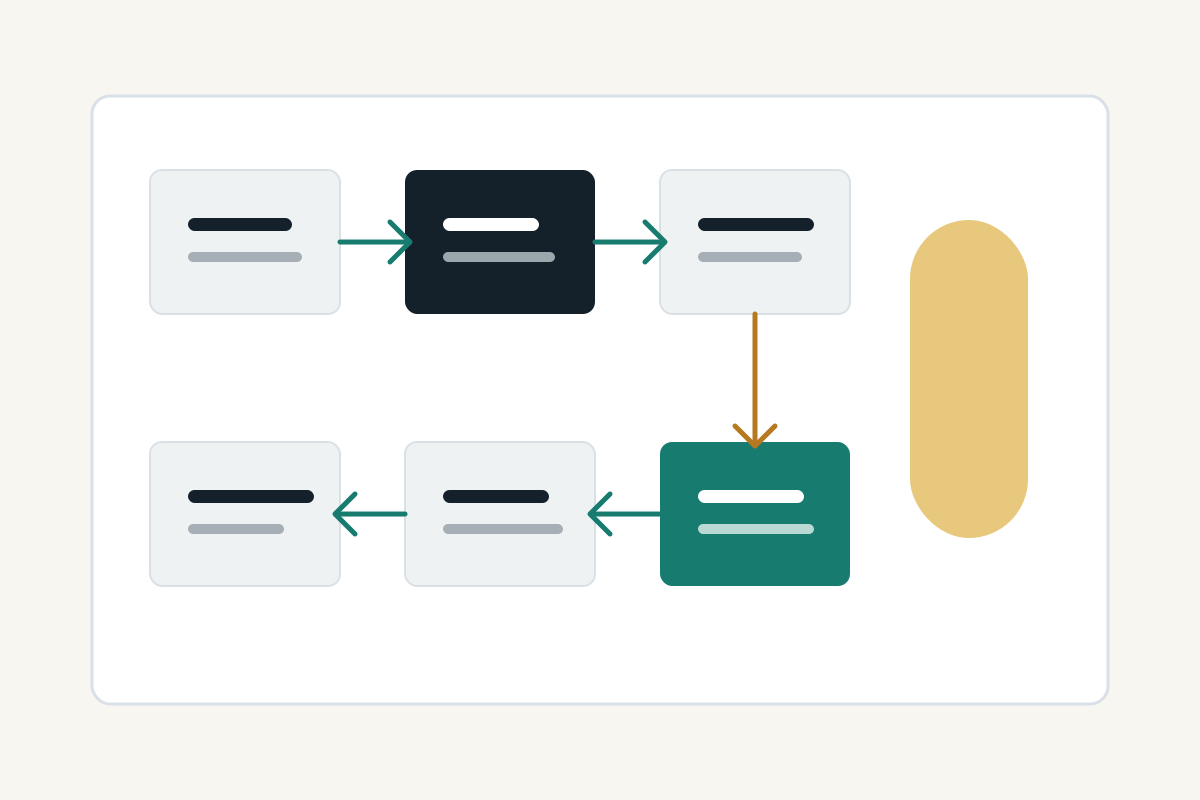
The workflow behind the lead
A lead is not just a form submission. For a cleaning business, it can imply service type, home size, frequency, location, preferred language, availability, pricing context, and whether the request fits the business.
Capturing those details consistently creates leverage. The owner can make better decisions, respond faster, and avoid rebuilding context from text messages, memory, and scattered notes.
From intake to operations
The next layer is connecting the public request to private operational tools: customer records, recurring service preferences, crew availability, follow-up reminders, and review or referral moments.
This is where a small business starts to get software that reflects its real operating model instead of a generic CRM that has to be bent into shape.
- Structured lead and appointment records
- Recurring service context
- Scheduling constraints and blocked time
- Follow-up tasks after estimate, service, and review moments
The practical boundary
The goal is not to automate judgment away from the business owner. The goal is to preserve context, reduce avoidable coordination work, and make the next action clearer.